
Natural and synthetic fiber rope slings are used mostly in marine operations, and in temporary work such as construction. Here are some fundamentals that must be followed to making your experiences with these rope slings safe while they get jobs done.
- Identify the type of rope needed for your job, make sure the material strength is correct, and that the rope has the correct rated load.
- Make sure that that the slings are spliced in accordance to the minimum requirements, as well as any additional recommendations of the manufacturer.
- Select a qualified individual to do daily inspections of the slings before use, and do more through inspections at monthly, quarterly, or yearly depending on the frequency of the sling usage.
- Keep your workers safe by laying out guidelines for human contact with the rope slings that aim to keep injuries at bay. Follow these standards daily.
- Be aware of environmental hazards that could damage rope slings. These include extreme temperatures, sunlight and ultraviolet light, and chemically active environments.
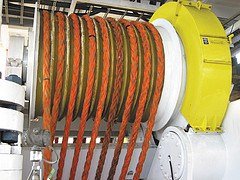 Read the full article in Slingmaker Issue No. 115, pages 9-11.
The tips listed in this blog post are a summary of a previously posted article in SlingMaker magazine and should not be used as a replacement for professional service. To find an AWRF professional please visit the AWRF member directory.